

ECHOSEARCH
Track Your Brand/Track Competitors/Briefings
OFFICIAL EXECUTIVE BRIEF • Loading Date...
SITUATION REPORT

SpaceX Scraps Starship Booster Catch Attempt

Status Summary: Contextual analysis of live event stream.

STRATEGIC RISK MATRIX

CORE RISK PROBABILITY
35%
SENSITIVE RISK VECTOR
Aerospace OperationsLaunch Site InfrastructureCommercial Payload Schedules
TOP NEWS SOURCES (LIVE FEEDS)
Chase the Space
Flight 15 Analysis: My Take
nasa_spacex
Starship Flight 15 Reached Orbit. Its Booster Didn't Come Back
▶
Dusty Mammoth
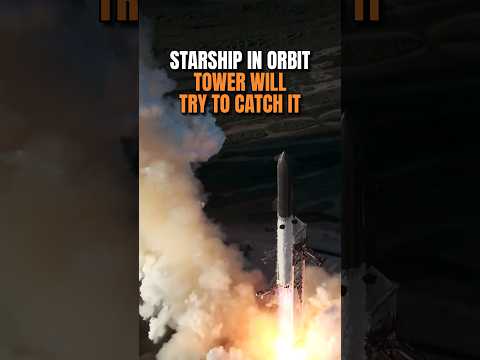
Starship Flight 15 Is in Orbit. A Tower Will Try to Catch It Next.
▶
Orbital Pioneers
SpaceX Employees Just Leaked Starship Flight 15 — And It Changes Everything
▶
OVERALL SENTIMENT
Neutral
GENERAL RISK PROFILE
Medium
PRIMARY EMOTIONAL TONE
Analytical

Executive Summary

On November 13, SpaceX executed the 15th test flight of its Starship megarocket, successfully achieving orbital insertion while concurrently electing to scrap a primary objective: catching the vehicle's massive booster back at the launch site. The decision highlights the operational friction inherent in balancing atmospheric reentry validation with high-risk hardware recovery protocols. While reaching orbit represents a critical technical milestone for the Starship architecture, the aborted booster recovery underscores the strict safety and performance criteria required before committing to ground-based landing catch maneuvers. The analytical focus of Flight 15 centers on the deliberate divergence between orbital insertion success and booster recovery termination. By opting to forego the catch at the launch facility, mission controllers prioritized risk mitigation over immediate hardware retrieval. The decision to abort the catch maneuver at the launch site demonstrates a reliance on real-time flight telemetry to prevent potential infrastructure damage at the pad. In high-velocity test regimes, scrapping a major objective mid-flight reflects an operational protocol designed to isolate orbital test metrics from recovery hazards. As the Starship program progresses past its 15th test iteration, the deliberate abandonment of the booster catch objective establishes a clear precedent for future mission profiles. The flight demonstrates that orbital insertion criteria can be fully satisfied even when secondary recovery operational objectives are scrubbed due to real-time parameters. Strategic assessment indicates that subsequent test flights will continue to evaluate safety thresholds, balancing the aggressive iteration of megarocket launch capabilities against the capital risks associated with launch site booster catch attempts.
Cross-Network Intelligence

Related News and Insights