Executive Summary
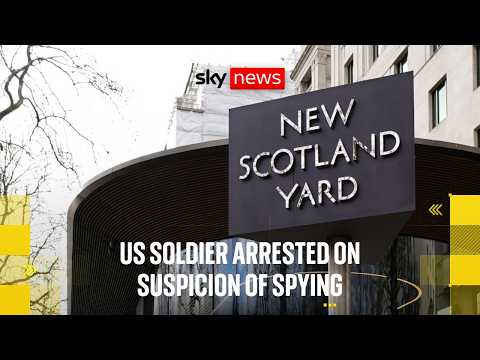
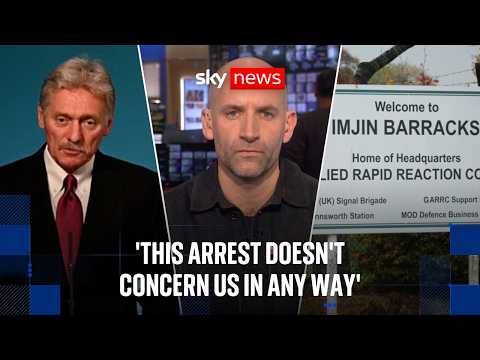
A 41‑year‑old senior US Army soldier was taken into custody near Gloucester on Tuesday after British counter‑terrorism police cited violations of the National Security Act 2023. The arrest was made under sections one and three of the Act, which criminalise the unauthorised obtaining or disclosure of protected information and the provision of assistance to a foreign intelligence service. The statement from Counter Terrorism Policing London explicitly linked the alleged offences to Russia, marking a rare instance of a high‑ranking US military member facing espionage‑related charges on foreign soil.
The incident underscores several hidden vectors of risk. First, it reveals potential gaps in the vetting and monitoring of senior US personnel operating abroad, especially in allied jurisdictions where intelligence sharing is routine. Second, the involvement of UK counter‑terror police suggests an elevated level of inter‑agency cooperation, yet also raises questions about the depth of US‑UK coordination on counter‑espionage protocols. Third, the use of the National Security Act 2023, a relatively new legislative tool, indicates a tightening legal framework that may affect future joint operations and information flow between allied forces. The arrest could signal a broader Russian effort to infiltrate Western military structures, leveraging personal or financial vulnerabilities of senior officers.
If diplomatic channels respond swiftly, the episode may be contained through joint statements and a limited investigation, preserving the broader strategic partnership. However, the perception of a compromised US soldier could fuel domestic scrutiny in both nations, potentially prompting legislative reviews of security clearances and inter‑agency data‑sharing agreements. In the longer term, allied intelligence communities may recalibrate risk assessments, tightening access controls for personnel with overseas deployments and increasing counter‑intelligence resources in the UK and Europe.