Executive Summary
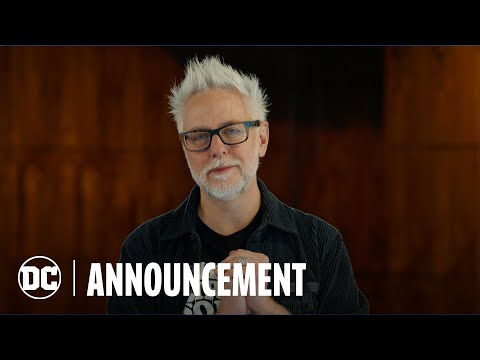
The abrupt departure of James Gunn and Peter Safran from DC Studios marks an unprecedented leadership vacuum at a time when the studio is navigating a crowded slate of high‑budget releases and a competitive streaming landscape. The source confirms that both executives will no longer lead the division, with Jeremy Latcham appointed as their successor. This transition occurs amid ongoing franchise fatigue concerns and a pending slate of sequels that rely heavily on consistent creative vision. The immediate effect is a potential slowdown in decision‑making for upcoming projects, as Latcham must quickly assimilate into a role that historically required deep genre expertise and strong relationships with talent and partners.
Beyond the headline change, the hidden risk lies in the fragmentation of strategic continuity across the DC universe. Gunn’s dual role as writer‑director and Safran’s oversight of production pipelines created a de‑facto unified command structure. Their exit could trigger divergent creative directions among subsidiary teams, leading to brand dilution. Moreover, investors monitoring Marvel‑DC competition may interpret this as a sign of internal disarray, prompting short‑term share price volatility and reevaluation of upcoming content pipelines. The industry’s reliance on cross‑media tie‑ins—video games, merchandise, and theme park experiences—means that any delay or inconsistency in the cinematic narrative can ripple through ancillary revenue streams.
Looking forward, the studio faces a tight window to stabilize its leadership narrative. Latcham’s ability to preserve existing project momentum while instituting clear governance will be critical. If the transition is managed transparently, the risk of prolonged production stalls diminishes; however, any misalignment with established franchise expectations could exacerbate audience disengagement, eroding long‑term brand equity and opening market share to competitors.