ECHOSEARCH
Track Your Brand/Track Competitors/Briefings
OFFICIAL EXECUTIVE BRIEF • Loading Date...
SITUATION REPORT

Knicks Players Label Taylor Swift Fake

Status Summary: Contextual analysis of live event stream.

STRATEGIC RISK MATRIX

CORE RISK PROBABILITY
55%
SENSITIVE RISK VECTOR
Celebrity Brand ManagementSports Franchise PRMedia Sentiment
TOP NEWS SOURCES (LIVE FEEDS)
Entertainment Tonight
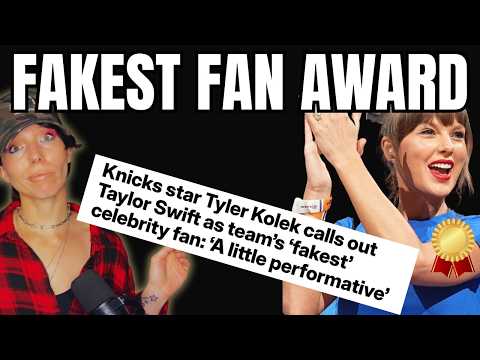
Knicks Players CALLS OUT Taylor Swift as 'Fakest' Celeb Fan
TMZSports
Knicks Show Support For Taylor Swift After Players Call Her Fakest Celeb Fan | TMZ Sports
▶
Dadan Saja
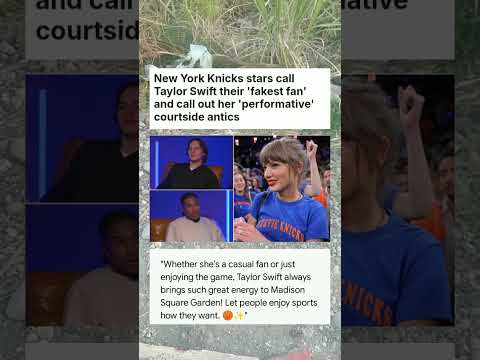
New York Knicks stars call Taylor Swift their 'fakest fan' and call out her #sports #news
▶
Ashley Briana Eve
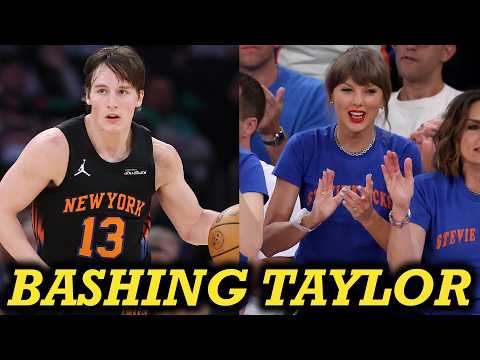
EVERYONE IS TIRED OF TAYLOR: NEW YORK KNICKS CALL HER THE "FAKEST FAN" & "PERFORMATIVE"
▶
OVERALL SENTIMENT
Critical
GENERAL RISK PROFILE
Medium
PRIMARY EMOTIONAL TONE
Skeptical

Executive Summary

Public statements and online discussions highlight that members of the New York Knicks have explicitly labeled multi-Grammy-winning artist Taylor Swift as the "fakest" celebrity fan associated with the franchise. This criticism draws immediate attention to the operational tension between traditional sports culture and modern celebrity promotional dynamics. While major professional sports teams frequently leverage high-profile star appearances to drive commercial interest and global media reach, pushback from active athletes challenges the authenticity of these high-visibility endorsements. A granular analysis of this friction reveals asymmetric reputational risks for both the sports organization and the involved pop icon. For the franchise, direct player commentary criticizing high-profile guests disrupts aligned corporate sponsorships and premium seat marketing strategies. Conversely, for global pop icons whose public brand relies heavily on relatable, authentic engagement, being publicly branded as disingenuous by professional athletes introduces targeted negative media coverage that bypasses standard public relations controls. The broader strategic consequence of this commentary involves a potential recalibration of how professional sports teams orchestrate celebrity engagement. As active players increasingly utilize open platforms to voice unfiltered opinions, corporate communications departments face heightened vulnerability regarding unscripted brand collisions. Moving forward, strategic communications teams must evaluate whether unverified celebrity fandom delivers net positive equity or introduces unpredictable narrative liabilities across diverse audience demographics.
Cross-Network Intelligence

Related News and Insights