
ECHOSEARCH
Track Your Brand/Track Competitors/Briefings
OFFICIAL EXECUTIVE BRIEF • Loading Date...
SITUATION REPORT

EU Blocks US-Russia Security Deal Initiative

Status Summary: Contextual analysis of live event stream.

STRATEGIC RISK MATRIX

CORE RISK PROBABILITY
45%
SENSITIVE RISK VECTOR
European security architectureTransatlantic diplomatic cohesionRussia‑Western strategic stability
TOP NEWS SOURCES (LIVE FEEDS)
India Today Global
Macron Urgently Meets Zelenskyy as Trump Pushes Russia-Favored Peace Plan and Ukraine Strikes Back
GlobalNewsDaily
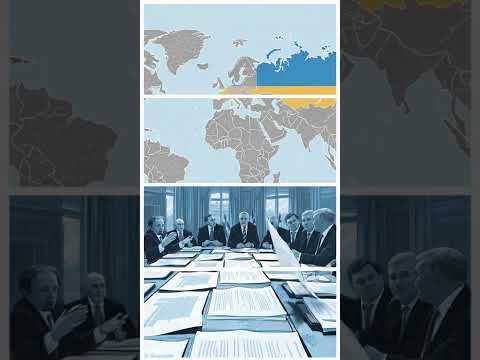
US Peace Plan Explained: What America Really Proposed for the Russia-Ukraine War | Full Breakdown
▶
THE CHANAKYA DIALOGUES HINDI
Trump Wants Russian Gas Back in Europe? | The Chanakya Dialogues Major Gaurav Arya|
▶
DRM News
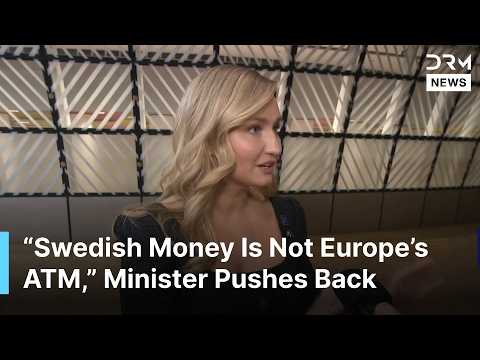
“Swedish Money Is Not Europe’s ATM,” Minister Pushes Back on EU Grid, Warns on Antisemitism | AC1G
▶
OVERALL SENTIMENT
Cautious
GENERAL RISK PROFILE
Medium
PRIMARY EMOTIONAL TONE
Urgent

Executive Summary

Europe’s explicit refusal to endorse a bilateral US‑Russia security arrangement underscores a broader contest for decision‑making authority over continental defence. The EU’s stance, articulated in diplomatic communiqués, demands that any framework affecting European security be negotiated with direct EU participation, rejecting any back‑channel that excludes the bloc. This insistence reflects lingering mistrust of US‑led initiatives that could bypass NATO consensus and marginalise European strategic interests. The hidden dimension of the impasse lies in the leverage the EU seeks over both Washington and Moscow. By conditioning acceptance on EU involvement, European capitals aim to extract concessions on intelligence sharing, missile defence deployments, and the scope of Russian activities on the continent. Simultaneously, the United States faces a strategic dilemma: proceed with a deal that may secure limited Russian cooperation on arms control, or accommodate EU demands and risk diluting American influence. Russian reactions, while not detailed in the source, are likely to exploit the rift to weaken NATO cohesion. Future projections hinge on whether the EU can marshal a unified front that forces a renegotiation of the deal’s terms, or whether the United States will press ahead, potentially sidelining European input. The outcome will affect NATO’s operational planning, the EU’s strategic autonomy ambitions, and the broader balance of power in Eastern Europe. A failure to resolve the dispute could elevate tensions, prompting defensive posturing and complicating crisis‑response mechanisms across the alliance.
Cross-Network Intelligence

Related News and Insights