Executive Summary
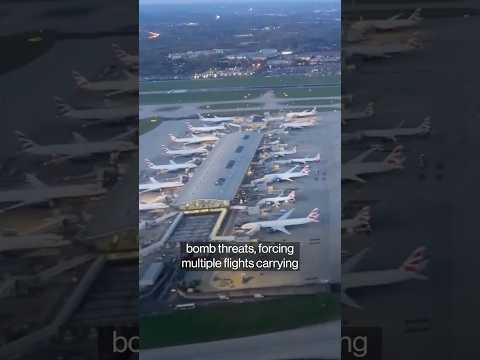
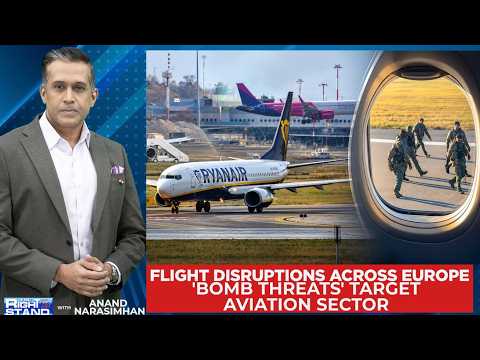
A fresh wave of bomb threats emerged on Friday, disrupting commercial flights across multiple European hubs and compelling the immediate evacuation of several newsrooms. The threats, delivered via anonymous calls and electronic messages, triggered security lockdowns at major airports, causing widespread delays, rerouted aircraft, and heightened passenger anxiety. Simultaneously, media organizations reported forced evacuations of editorial floors, with staff relocated to secure off‑site facilities while news gathering continued under heightened security protocols.
The pattern of targeting both aviation corridors and press institutions suggests a calculated effort to exploit high‑visibility sectors, thereby amplifying public fear and media attention. While no claim of responsibility has been identified, the synchronized timing points to a level of coordination that exceeds isolated prank calls. The lack of a clear perpetrator complicates intelligence assessments, but the operational similarity to prior extremist campaigns—where threat actors leverage bomb threats to test emergency response capacities—warrants close monitoring. Authorities have mobilized counter‑terrorism units, but the fragmented nature of the threat channels (telephone, email, messaging apps) poses challenges for attribution and rapid mitigation.
If the threat landscape evolves, aviation operators may need to implement more stringent passenger screening and real‑time intelligence sharing across national borders. Media outlets are likely to adopt hardened communication infrastructures and contingency plans for remote reporting. The convergence of these sectors under a unified threat vector underscores the potential for cascading disruptions: a successful attack on an airport could impair news dissemination, while a strike against a newsroom could hinder situational awareness for emergency services.
Preparedness measures, such as joint drills between civil aviation authorities and press freedom groups, could reduce response times and limit the psychological impact on the traveling public and information consumers alike.