ECHOSEARCH
Track Your Brand/Track Competitors/Briefings
OFFICIAL EXECUTIVE BRIEF • Loading Date...
SITUATION REPORT

Voters Deliver Massive Democratic Election Rout

Status Summary: Contextual analysis of live event stream.

STRATEGIC RISK MATRIX

CORE RISK PROBABILITY
60%
SENSITIVE RISK VECTOR
Macroeconomic PolicyRegulatory ContinuityMarket Expectations
TOP NEWS SOURCES (LIVE FEEDS)
CNN
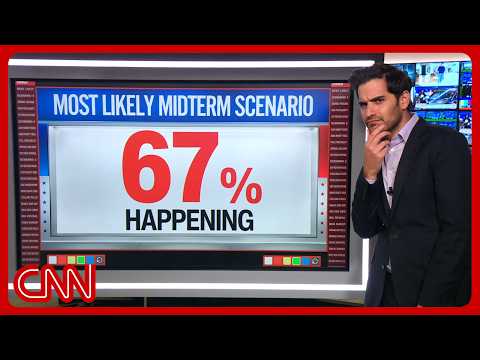
I've run the numbers. Here's every midterm 2026 scenario, mapped
CNN
I've studied 1000's of data points. Here's my midterm prediction.
▶
CNN
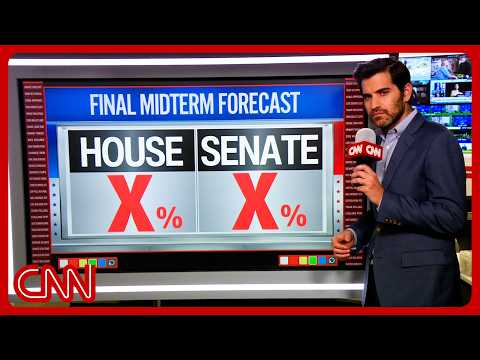
Midterm elections 2026: Harry Enten's final prediction
▶
WorldSphere
Here's what the Democratic election rout could mean for the U.S. economy
▶
OVERALL SENTIMENT
Analytical
GENERAL RISK PROFILE
Medium
PRIMARY EMOTIONAL TONE
Objective

Executive Summary

Following reports of a significant Democratic election rout, industry analysis highlights a crucial operational distinction between political party turnover and systemic economic stability. The core assessment emerging from reporting emphasizes that the primary forces dictating economic performance operate largely independent of partisan transitions. While electoral shifts frequently trigger market expectations of rapid fiscal and regulatory transformations, primary macroeconomic drivers remain consistent regardless of which political party assumes governance. A rigorous intelligence assessment reveals that executive leadership frequently over-indexes on political headlines while underestimating structural continuity. The source text explicitly stresses that the overarching forces shaping the economic landscape will not change simply because the party in power changes. Asymmetric risks materialize when decision-makers miscalculate the real-world impact of political realignments, mistakenly assuming that immediate administrative shifts will rapidly alter underlying economic realities. Consequently, risk officers must evaluate electoral outcomes through a lens of policy friction rather than immediate structural transformation. The reported Democratic electoral rout marks a notable political transition, yet industry observations confirm that baseline macroeconomic mechanisms retain their momentum. Legislative platforms may undergo public debate, but foundational economic realities continue to govern market conditions and corporate risk exposure across sectors. Moving forward, enterprise decision-making must formally decouple political headline risk from long-term economic planning. By recognizing that major macroeconomic forces persist across political cycles, strategic leads can better insulate capital allocation strategies against transitory political rhetoric following shifts in governmental control.
Cross-Network Intelligence

Related News and Insights