Executive Summary
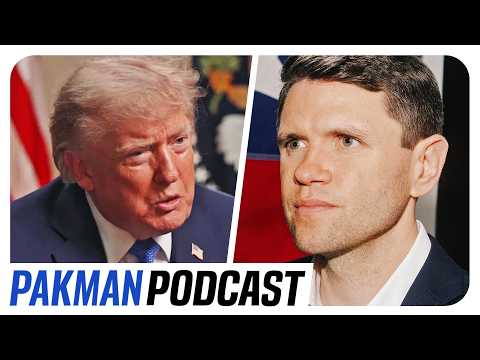
The headline emerges from a Reddit post that records former President Donald Trump’s recent public criticism of Republican lawmakers while simultaneously conceding that Democratic leaders performed adequately in recent legislative battles. The juxtaposition of intra‑party rebuke with cross‑aisle acknowledgment signals a strategic pivot designed to reshape the GOP narrative ahead of the 2026 midterm cycle. Although the source provides no detailed policy context, the pattern aligns with Trump’s historical use of public statements to exert pressure on party elites and to position himself as the arbiter of electoral viability.
Analysts note that the hidden dimension of this maneuver lies in its potential to fracture the Republican coalition at a time when state‑level contests are intensifying. By publicly denouncing Republican tactics, Trump may be leveraging media attention to compel party leaders to adopt a more voter‑centric platform, thereby mitigating the risk of primary challenges that could dilute the party’s appeal. Simultaneously, his praise of Democratic performance serves to underscore Republican shortcomings, indirectly bolstering opposition narratives without overt collaboration. This dual‑track approach exploits the asymmetry of media cycles, forcing both parties to respond to a single, high‑visibility cue.
Looking forward, the statement could catalyze a recalibration of campaign messaging across swing districts. If Republican candidates align with Trump’s critique, they may gain short‑term enthusiasm from his base, but risk alienating moderate voters wary of intra‑party discord. Conversely, Democrats may capitalize on the implied validation of their legislative effectiveness, reinforcing claims of governance competence. The evolving dynamic will likely shape fundraising, candidate selection, and voter outreach strategies through the remainder of the election year.
The broader implication is a heightened volatility in partisan alignment, with potential spillover effects on legislative cooperation and public confidence in political institutions.