ECHOSEARCH
Track Your Brand/Track Competitors/Briefings
OFFICIAL EXECUTIVE BRIEF • Loading Date...
SITUATION REPORT

James Talarico Exposes Systemic Economic Inequality

Status Summary: Contextual analysis of live event stream.

STRATEGIC RISK MATRIX

CORE RISK PROBABILITY
65%
SENSITIVE RISK VECTOR
Labor PolicyPublic Legislative DebateEconomic Governance
TOP NEWS SOURCES (LIVE FEEDS)
Bill O'Reilly
"If I'm In Charge, They're Out the Door!" — Bill O'Reilly on CNN & The Factor | We'll Do It LIVE!
Podcast Summaries
James Talarico: Here Is How They Designed The System To Keep You Poor!
▶
The Diary Of A CEO
James Talarico: Here Is How They Designed The System To Keep You Poor!
▶
James Talarico
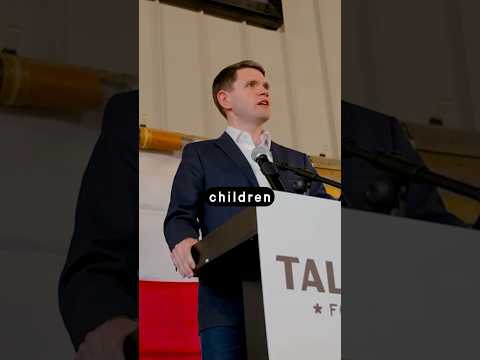
If they can spend $3 trillion on tax cuts for rich people, they can afford to feed hungry kids.
▶
OVERALL SENTIMENT
Negative
GENERAL RISK PROFILE
Medium
PRIMARY EMOTIONAL TONE
Critical

Executive Summary

Texas State Representative James Talarico has published a political message titled "Here Is How They Designed The System To Keep You Poor!", circulated across digital platforms including Reddit. The statement targets structural economic design, arguing that institutional policies, tax structures, and resource allocations are deliberately configured to perpetuate poverty among working-class populations rather than facilitate upward socioeconomic mobility. The deep analysis of this narrative reveals a growing reliance on populist economic critiques within state legislative messaging. By framing economic disadvantage not as an isolated market failure or individual shortfall, but as an engineered policy outcome, political actors aim to mobilize public demand for comprehensive legislative reform. Key policy arenas impacted by this discourse include public school finance, minimum wage legislation, tax incentives for corporations, and safety-net program funding. From a institutional standpoint, the dissemination of structural economic critiques signals an intensifying battle over public policy and state fiscal priorities. As public engagement with political commentary on digital forums accelerates, legislative bodies face increased pressure to address public dissatisfaction with cost-of-living metrics, housing affordability, and wage stagnation. For enterprise leaders and policy strategists, tracking these public narratives provides critical insight into emerging legislative risks. Increased political momentum behind anti-poverty campaigns frequently translates into proposed regulatory changes, including heightened corporate tax rates, expanded labor protections, and restructured public funding formulas across municipal and state jurisdictions.
Cross-Network Intelligence

Related News and Insights